Cattle Breeds Guide
From ranch staples to specialty breeds — learn what makes each one unique.
Beef Breeds
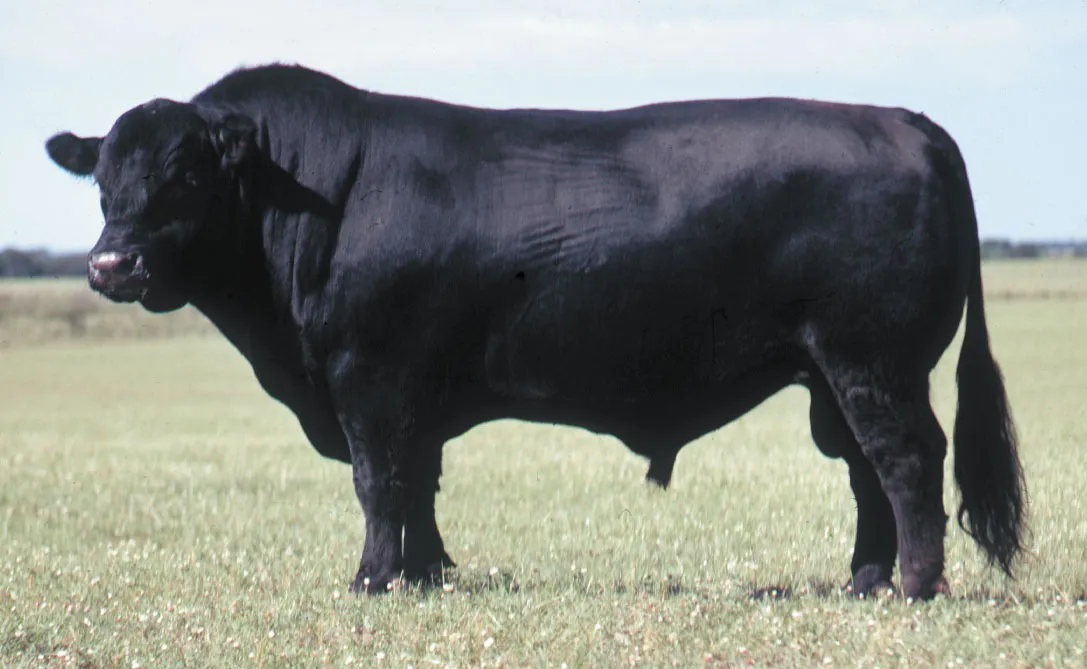
Black Angus
BeefScotland · Medium to Large · 1,000–1,800 lbs
Black Angus is the most popular beef breed in the United States, prized for its exceptional marbling, feed efficiency, and ease of calving. Originally from northeastern Scotland, Angus cattle are naturally polled and adapt well to a wide range of climates. Their meat consistently grades Choice or Prime, making them the gold standard for quality beef production.
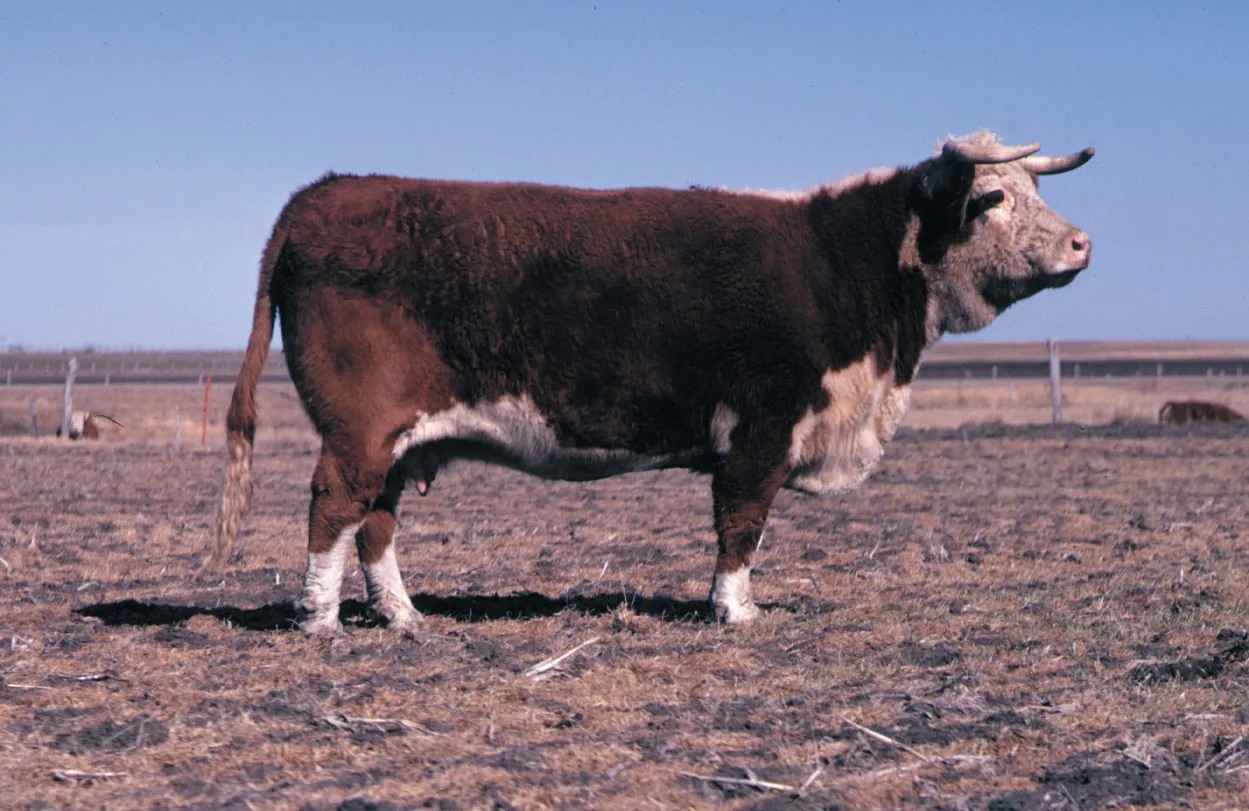
Hereford
BeefEngland · Large · 1,200–1,800 lbs
Herefords are one of the most widely distributed beef breeds in the world, recognized by their distinctive red body and white face. Originating from Herefordshire, England, they are known for their longevity, foraging ability, and docile temperament. Herefords thrive on grass and are excellent converters of feed to beef, making them a rancher favorite for extensive grazing operations.
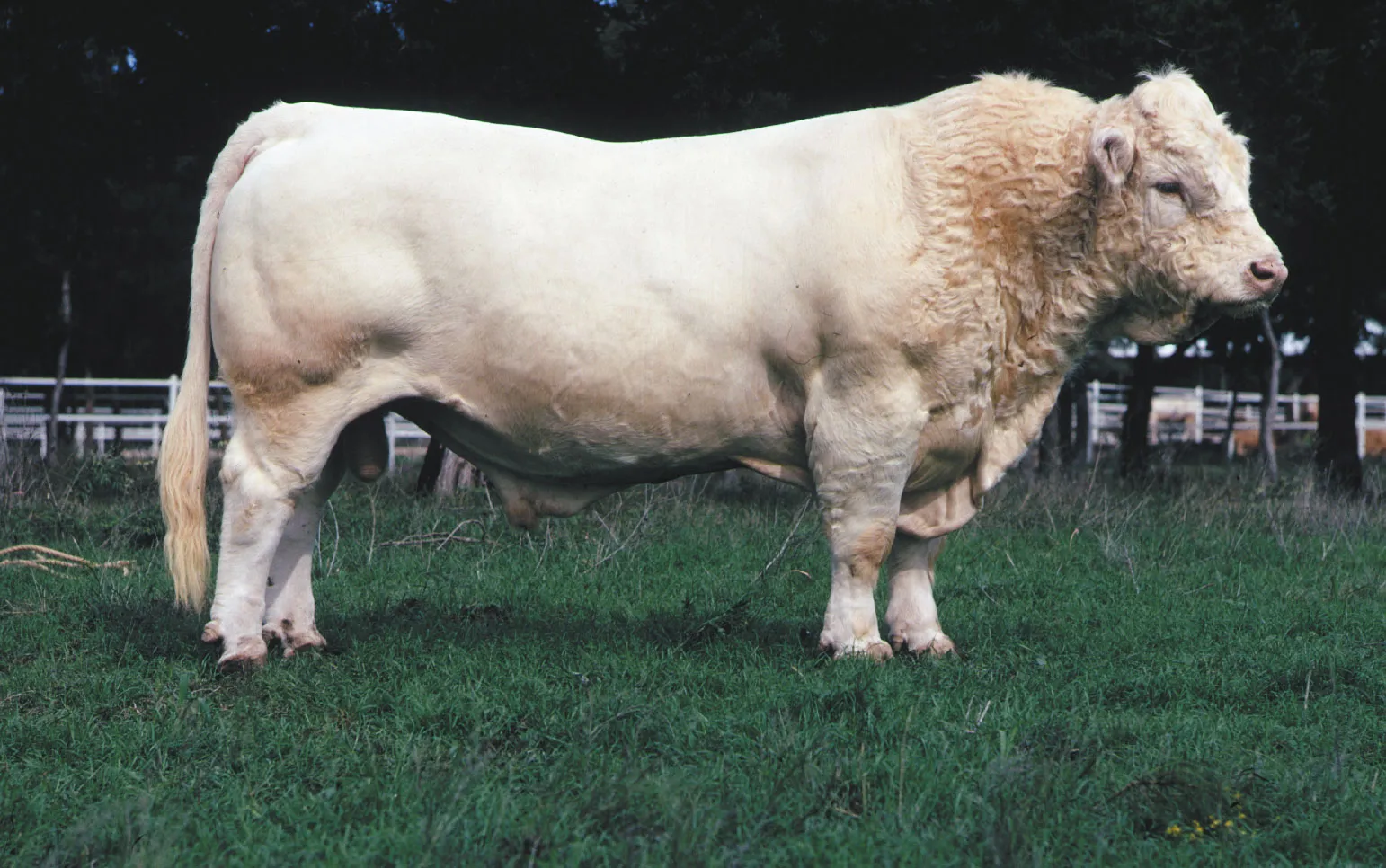
Charolais
BeefFrance · Very Large · 1,400–2,200 lbs
Charolais are large, muscular cattle originally from the Charolles region of France. They are renowned for their rapid growth rate, heavy muscling, and lean carcass. Charolais bulls are widely used in crossbreeding programs to add size and muscle to commercial herds. Their white coat reflects heat well, giving them an advantage in warmer climates.
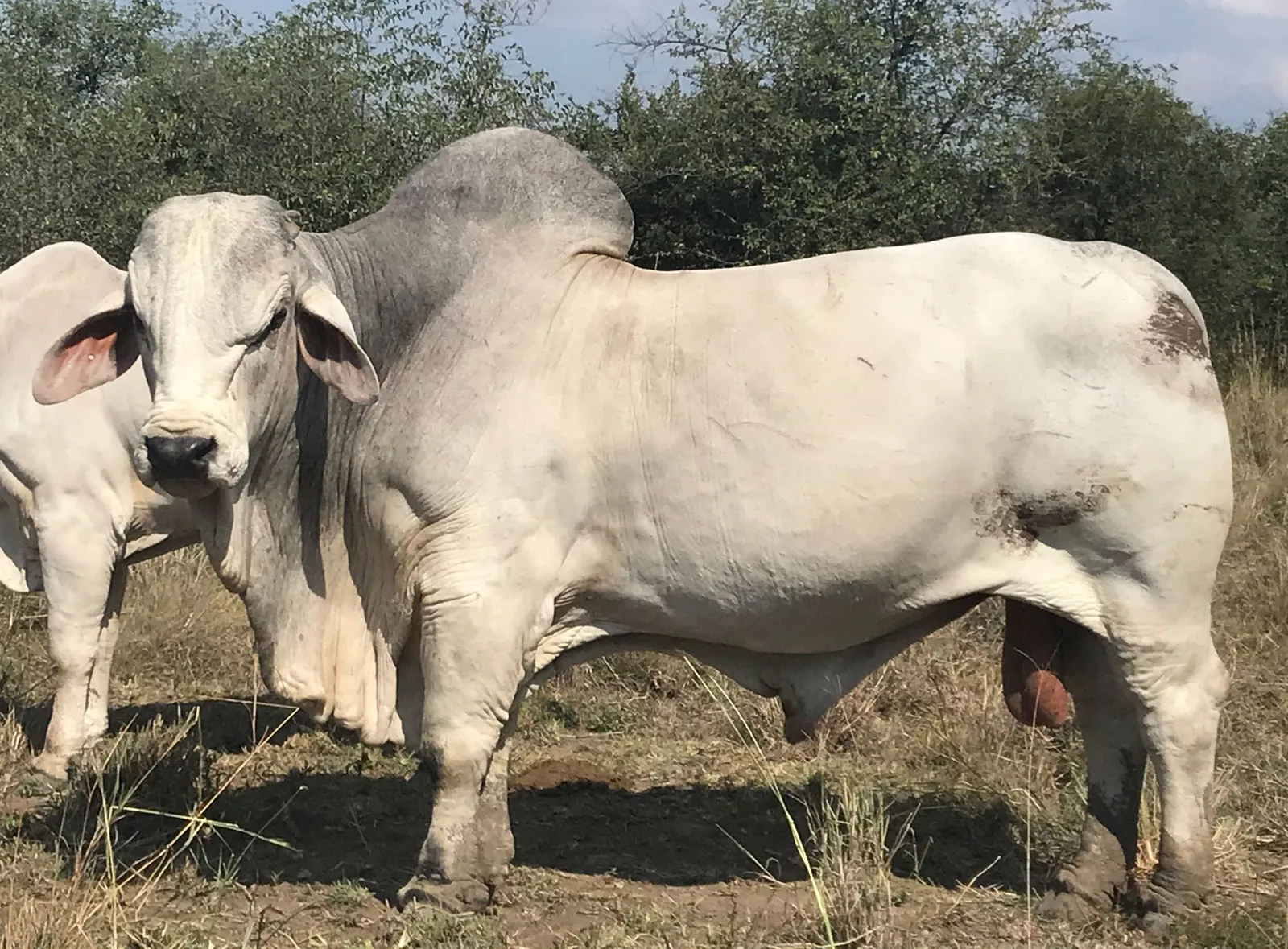
Brahman
BeefIndia (developed in USA) · Large · 1,000–2,000 lbs
Brahman cattle descend from Bos indicus stock imported from India and were developed as a breed in the United States. Their distinctive hump, loose skin, and large drooping ears are adaptations for heat dissipation. Brahmans are the foundation of many tropical beef breeds and are unmatched in their resistance to heat, insects, and parasites, making them essential for cattle production in the Gulf Coast and tropical regions.
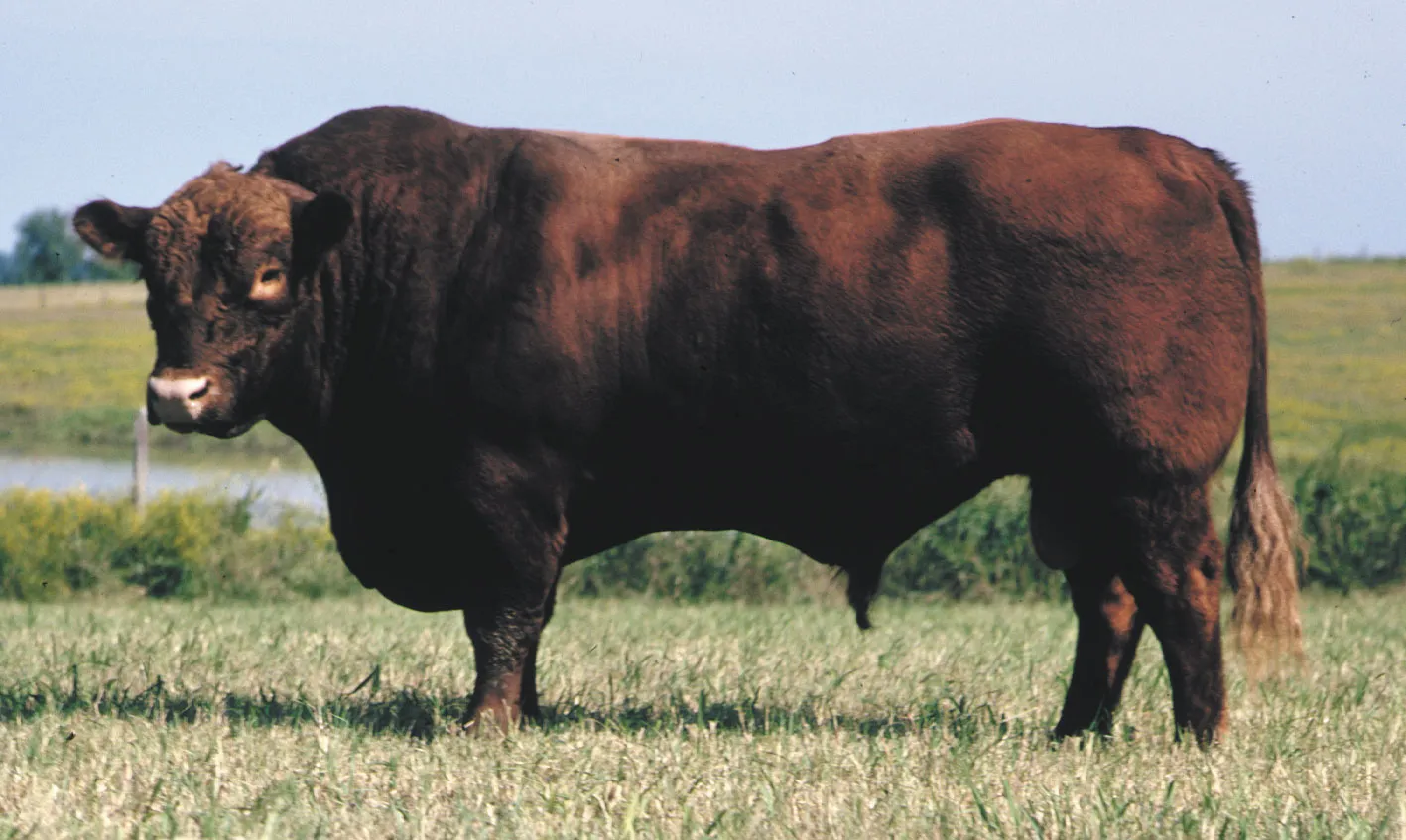
Red Angus
BeefScotland · Medium to Large · 1,000–1,800 lbs
Red Angus share the same Scottish heritage as Black Angus but carry the recessive red color gene. They offer the same marbling quality and feed efficiency as their black counterparts, with the added advantage of less susceptibility to eye cancer and sunburn. Red Angus have gained significant popularity in the southern United States where their lighter color is an advantage in hot climates.
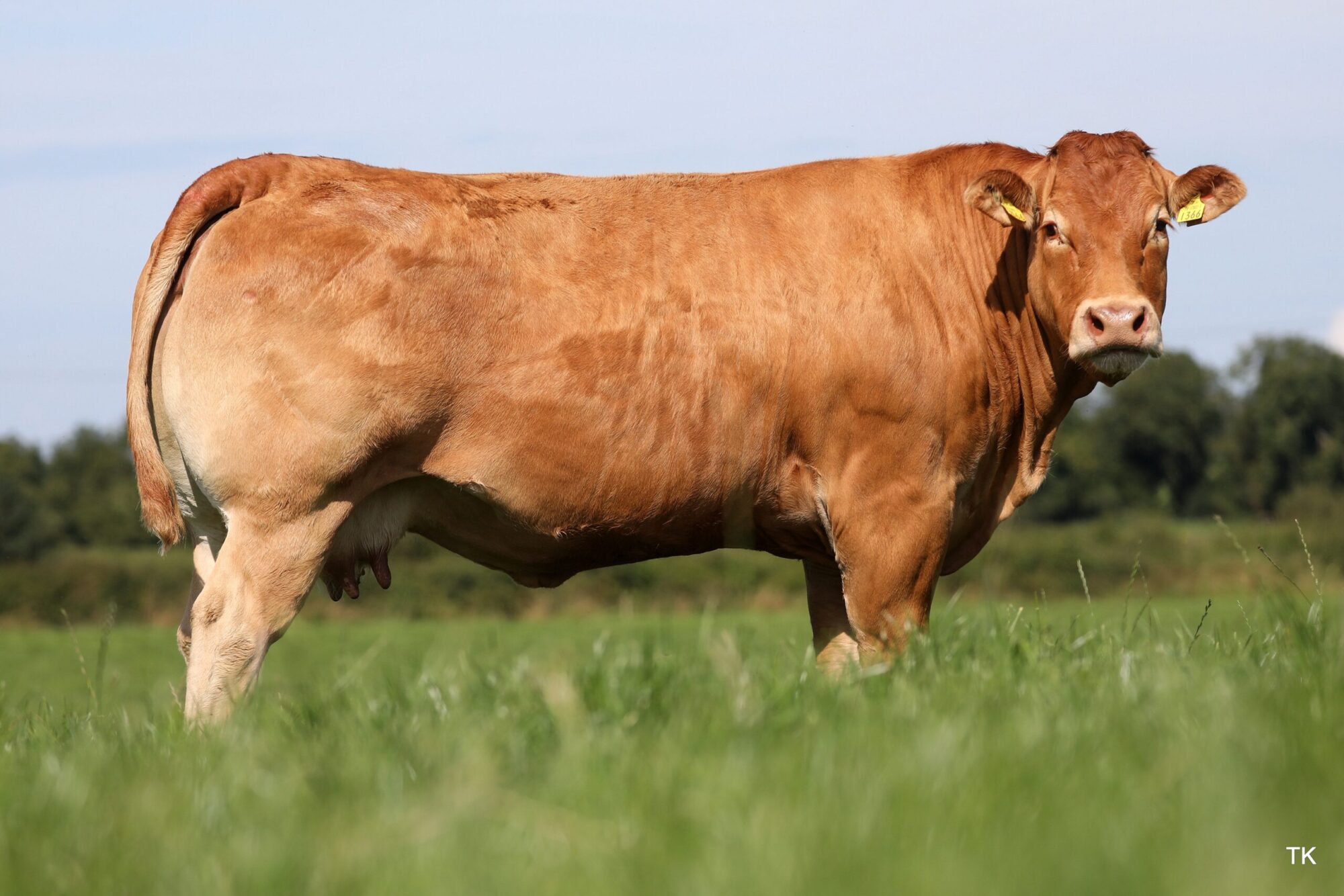
Limousin
BeefFrance · Large · 1,300–2,000 lbs
Limousin cattle originate from the Limousin region of south-central France, where they evolved in a rugged granite landscape. They are known for producing lean, well-muscled carcasses with a high yield of usable meat. Limousin genetics are frequently used in crossbreeding to improve carcass merit and muscling in commercial herds.
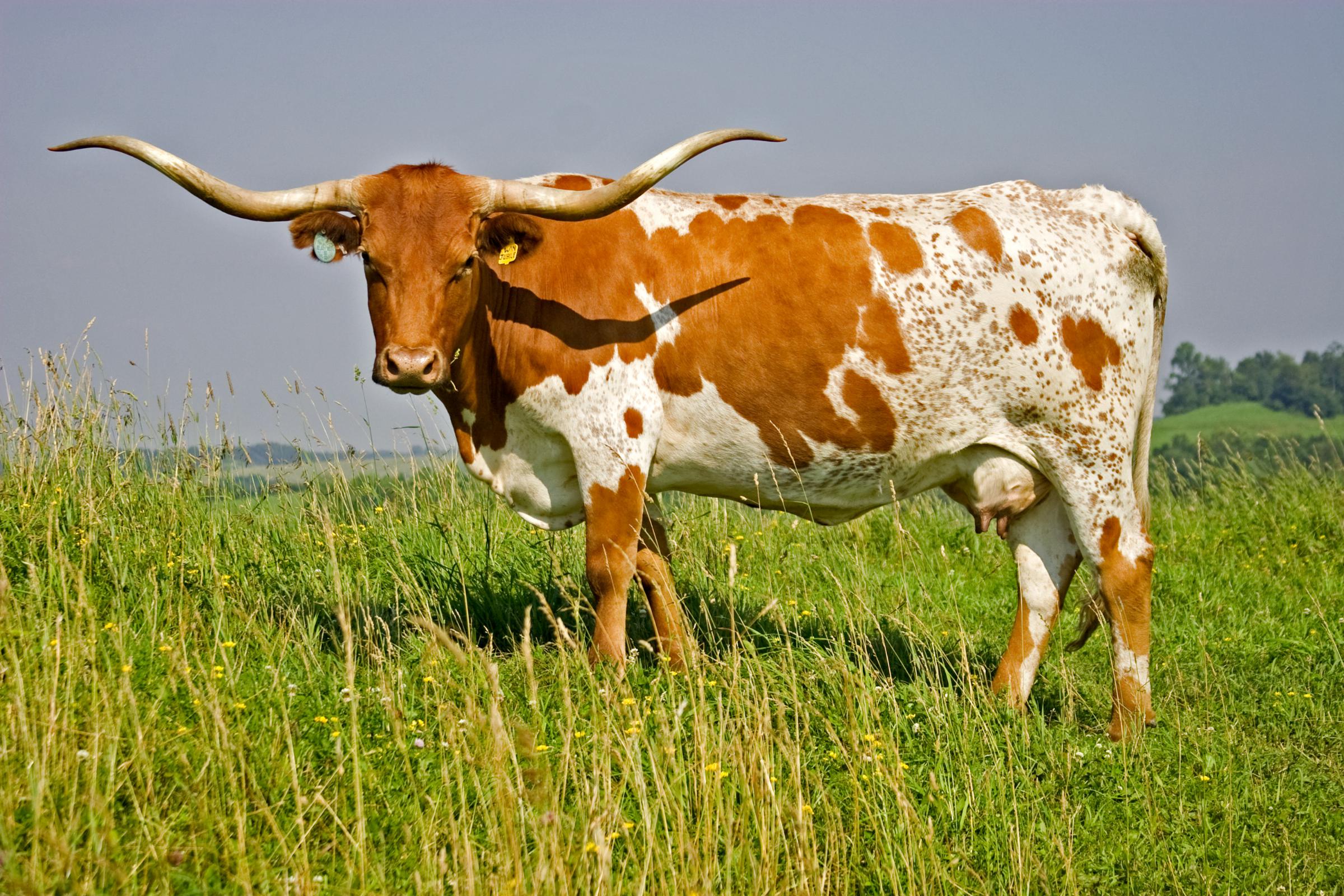
Longhorn
BeefSpain (developed in USA) · Medium · 800–1,500 lbs
Texas Longhorns are an iconic American breed descended from Spanish cattle brought to the New World in the 1400s. Their legendary horn spans can exceed 7 feet tip to tip. Longhorns are incredibly hardy, thriving in harsh conditions with minimal supplemental feed. They played a central role in the great cattle drives of the 1800s and are valued today for their lean beef, easy calving, and disease resistance.
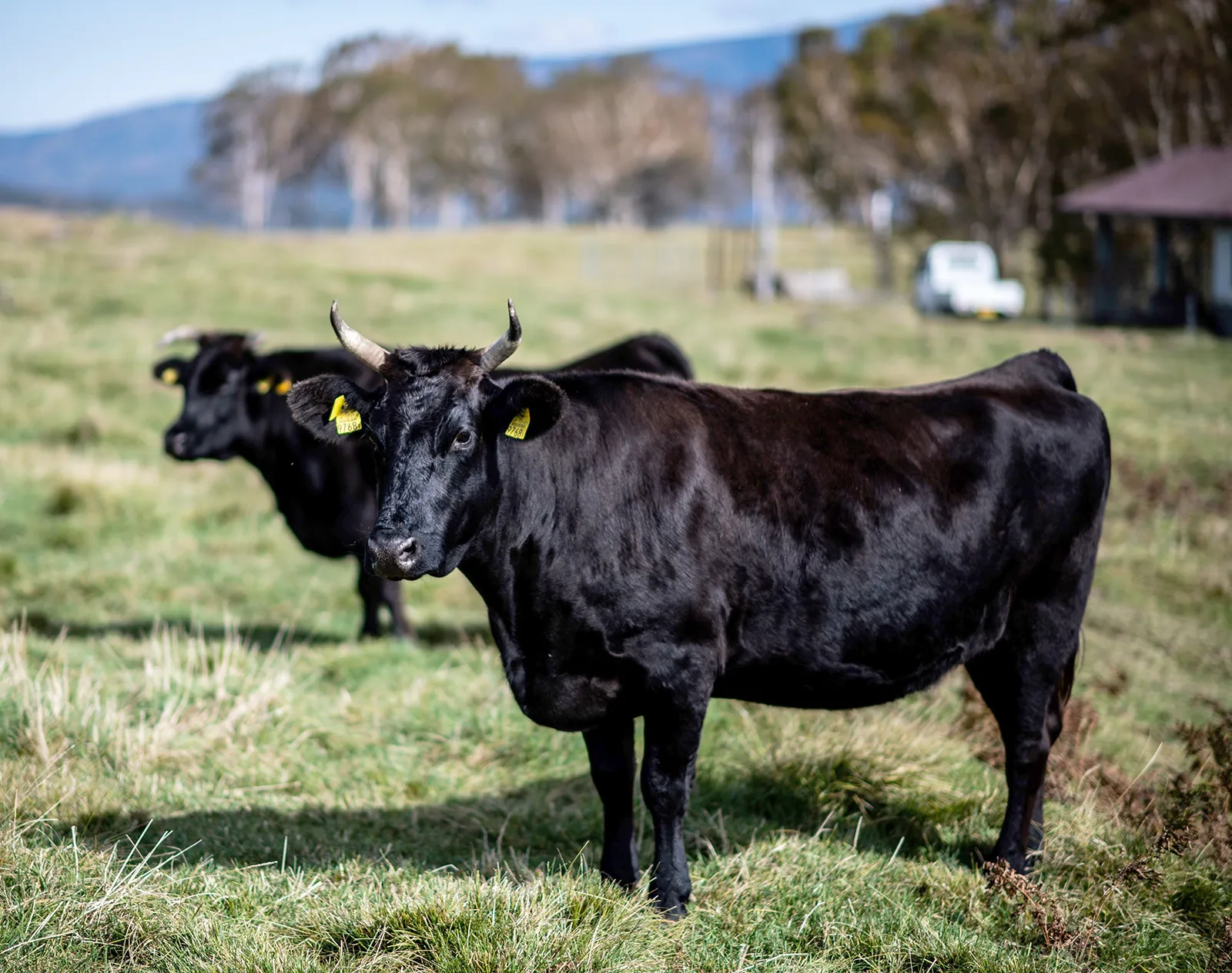
Wagyu
BeefJapan · Medium · 1,000–1,400 lbs
Wagyu, meaning 'Japanese cattle,' refers to several breeds developed in Japan that are famous for producing the most intensely marbled beef in the world. The intramuscular fat creates the buttery texture and rich flavor that commands premium prices globally. American Wagyu programs, often crossing Wagyu with Angus, have grown substantially as consumer demand for premium beef increases.
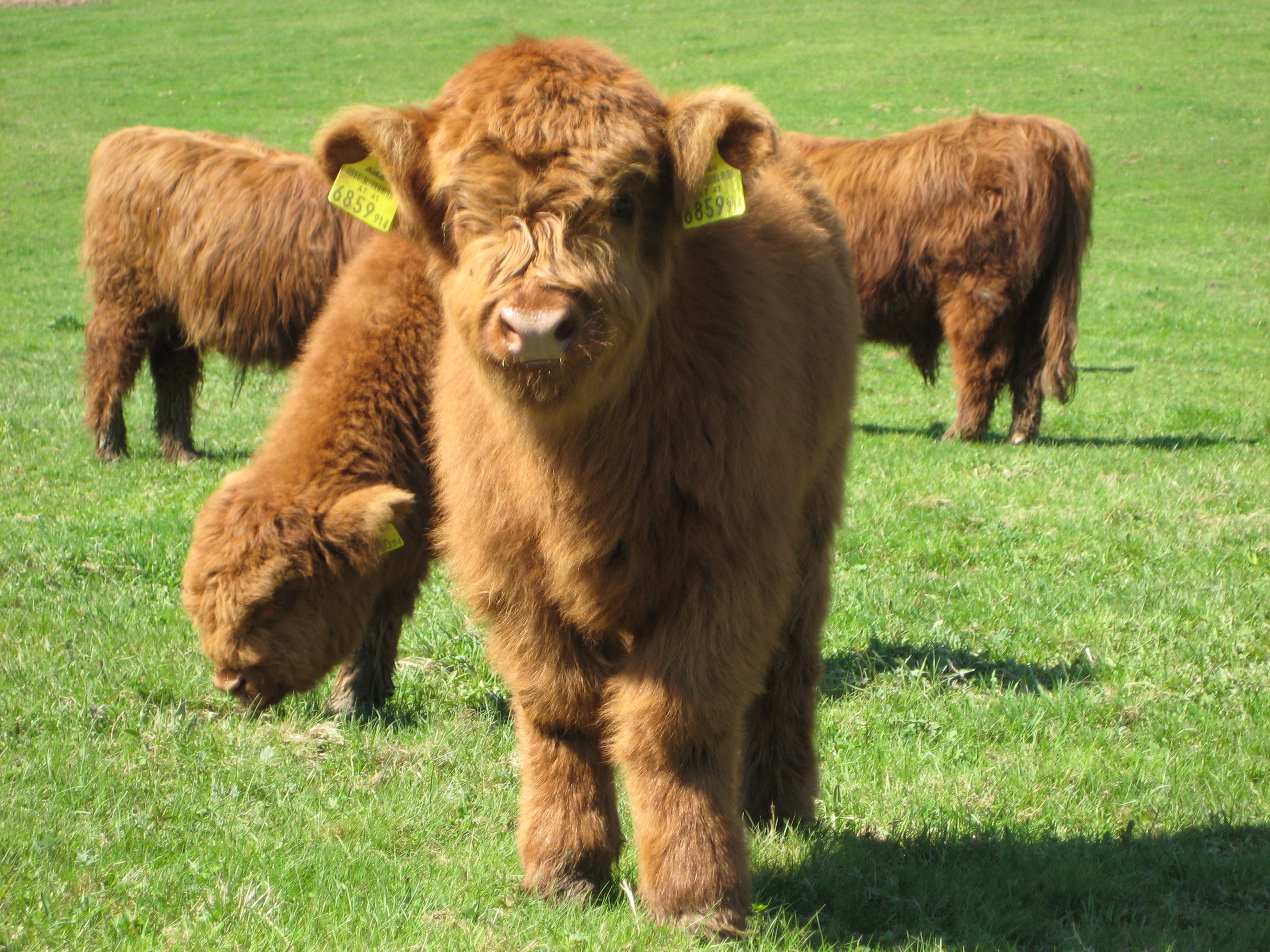
Highland
BeefScotland · Medium · 900–1,800 lbs
Highland cattle are one of the oldest registered breeds, developed in the rugged Scottish Highlands and Western Isles. Their long, shaggy double coat and wide horns make them one of the most recognizable breeds in the world. Highlands are remarkably cold-hardy and can thrive on rough forage that other breeds would refuse. Their beef is lean and well-flavored, with growing demand in specialty markets.
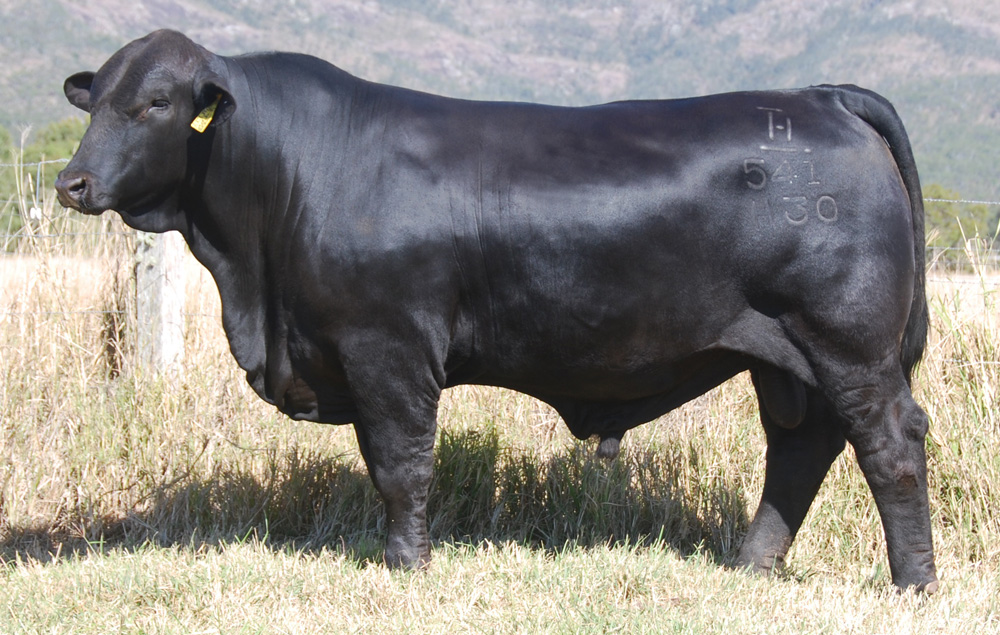
Brangus
BeefUnited States · Large · 1,100–1,900 lbs
Brangus combine the hardiness and heat tolerance of the Brahman (3/8) with the carcass quality and marbling of the Angus (5/8). Developed in the United States, this composite breed excels in hot, humid environments where straight European breeds struggle. Brangus offer the best of both worlds — Brahman adaptability without the extreme Bos indicus temperament, plus Angus beef quality.
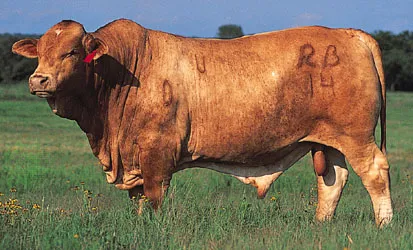
Beefmaster
BeefUnited States · Large · 1,200–2,000 lbs
Beefmaster was developed in Texas by Tom Lasater, combining Brahman, Hereford, and Shorthorn genetics. The breed was selected using the 'Six Essentials': disposition, fertility, weight, conformation, hardiness, and milk production. This practical selection approach has produced a versatile breed that performs well in hot climates while maintaining good beef quality and strong maternal instincts.
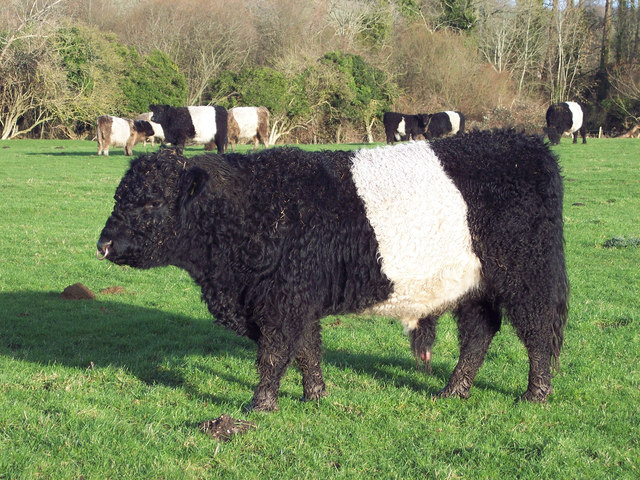
Galloway
BeefScotland · Medium · 1,000–1,700 lbs
Galloway cattle are a hardy Scottish breed known for their thick, curly double coat that insulates them in harsh winter conditions. The Belted Galloway, with its distinctive white belt around the midsection, is the most recognizable variant. Galloways produce lean, well-marbled beef and are excellent for grass-fed operations, thriving on rough pastures with minimal inputs.
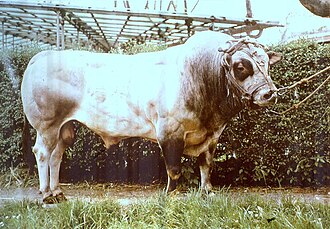
Piedmontese
BeefItaly · Medium to Large · 1,100–1,700 lbs
Piedmontese cattle from northwestern Italy carry a natural myostatin gene mutation that produces 'double muscling' — significantly more lean muscle with less fat and connective tissue. Their beef is naturally tender with up to 30% less fat than conventional beef while maintaining excellent flavor. This unique genetic trait has made Piedmontese increasingly popular in health-conscious beef markets.
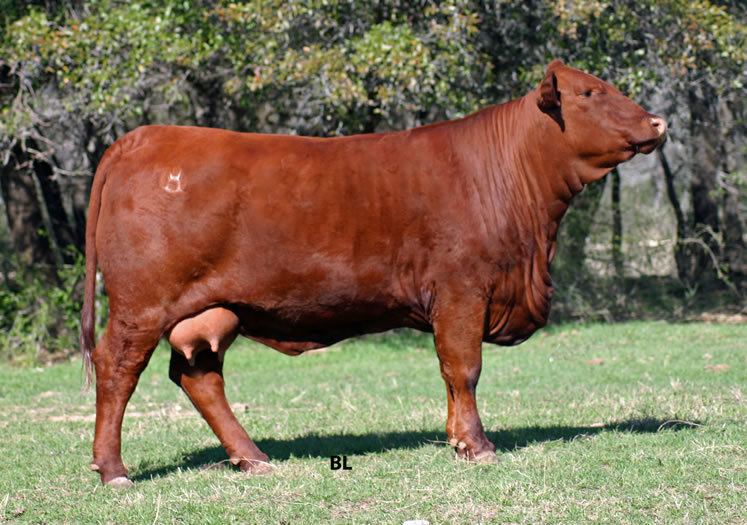
Santa Gertrudis
BeefUnited States · Large · 1,200–2,000 lbs
Santa Gertrudis was the first beef breed developed in the United States, created on the famous King Ranch in Texas by crossing Brahman and Shorthorn cattle. Recognized as a breed in 1940, their distinctive cherry-red color and Brahman influence give them excellent heat and insect tolerance. Santa Gertrudis combine tropical adaptability with British beef quality, performing well across the southern United States and tropical regions worldwide.
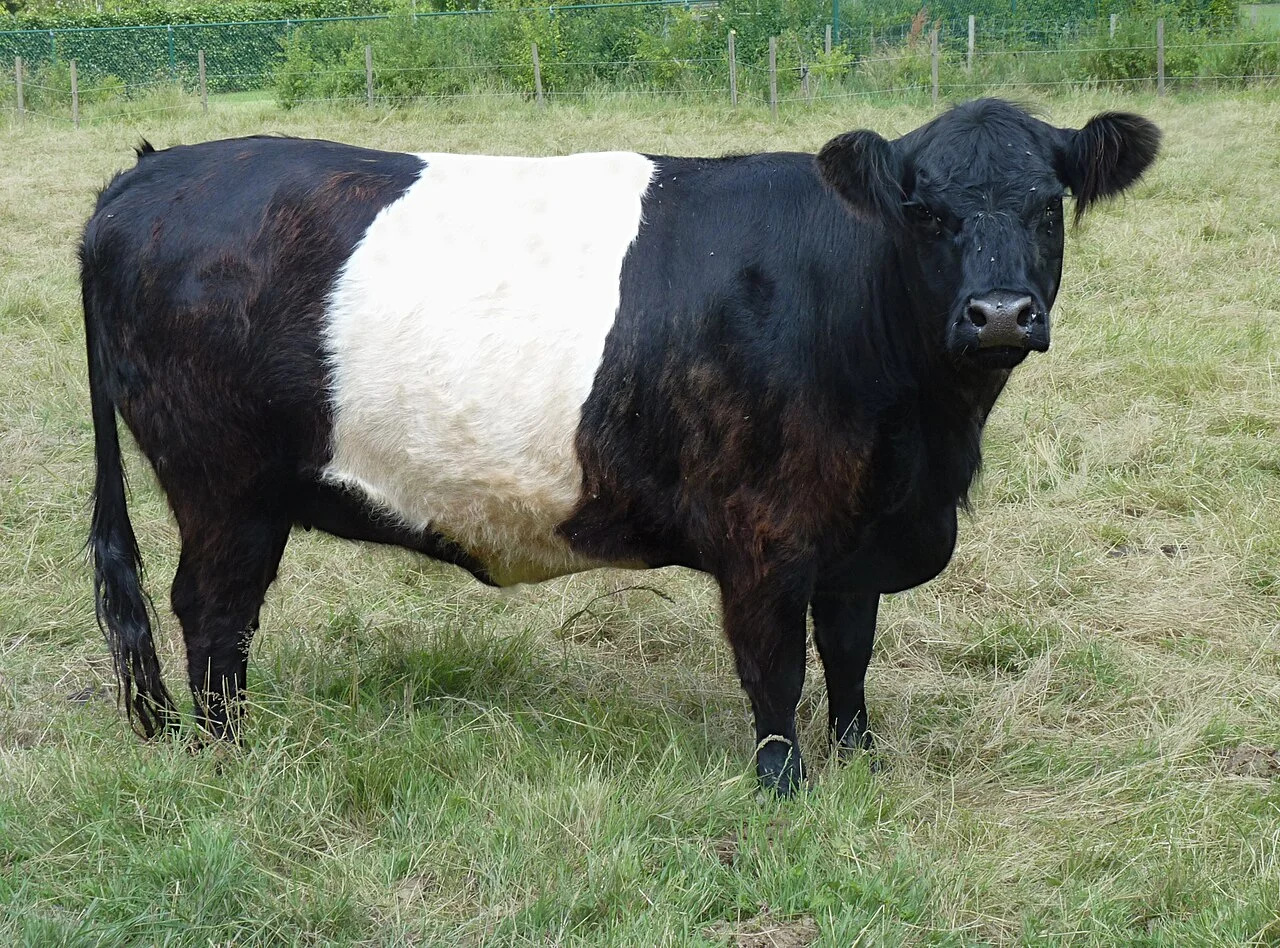
Belted Galloway
BeefScotland · Medium · 1,000–2,000 lbs
Belted Galloways, affectionately called 'Oreo cows,' are instantly recognizable by the broad white belt encircling their black, red, or dun bodies. Developed in the Galloway region of southwestern Scotland, they carry the same thick winter double coat as their solid-colored Galloway cousins, letting them thrive in cold climates without a fat layer for insulation — which means leaner, well-flavored beef. Belties are excellent browsers that clean up rough forage other cattle refuse, making them a favorite of homesteaders and grass-fed operations alike.
American Aberdeen
BeefAustralia · Small · 800–1,600 lbs
American Aberdeen, formerly known as Lowline Angus, descend from a pure Angus herd selected for smaller frame size at Australia's Trangie Research Centre starting in the 1970s. Standing about 60% the height of a full-size Angus, they deliver the same marbling and carcass quality in a compact, feed-efficient package that produces more beef per acre. Their moderate size, polled heads, and calm disposition have made them one of the most recommended breeds for small-acreage homesteads.
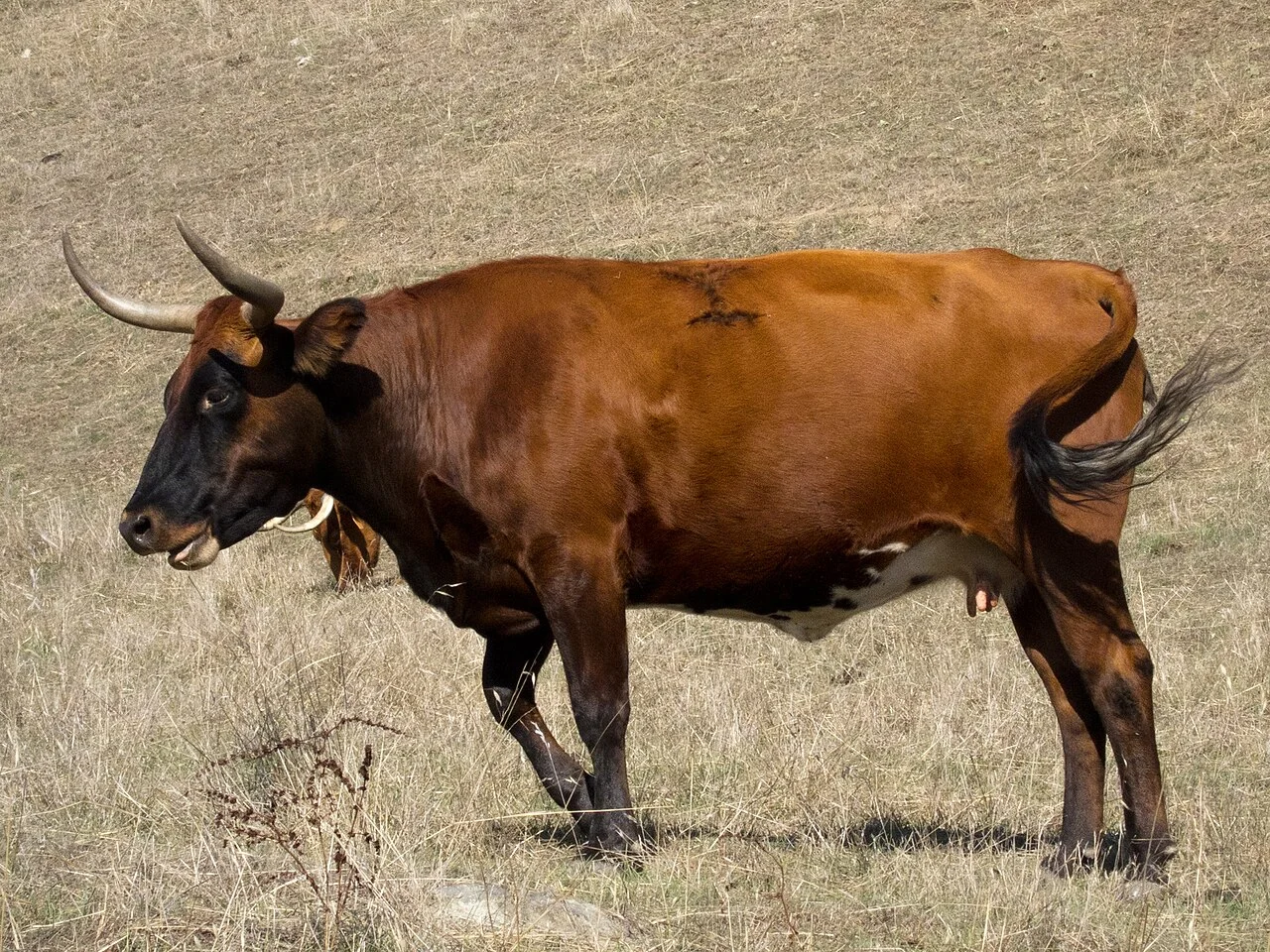
Corriente
BeefMexico (Spanish descent) · Small · 700–1,000 lbs
Corriente cattle descend from the first Spanish cattle brought to the Americas in the late 1400s, preserved as hardy Criollo stock in remote regions of Mexico. Lean, agile, and athletic with forward-curving horns, they are the premier sport cattle of American rodeo — most team roping and steer wrestling events use Corriente steers weighing 450 to 650 pounds. Ranchers value them for their extreme hardiness, easy calving, and minimal input requirements, and their lean beef has found a growing niche in grass-fed markets.
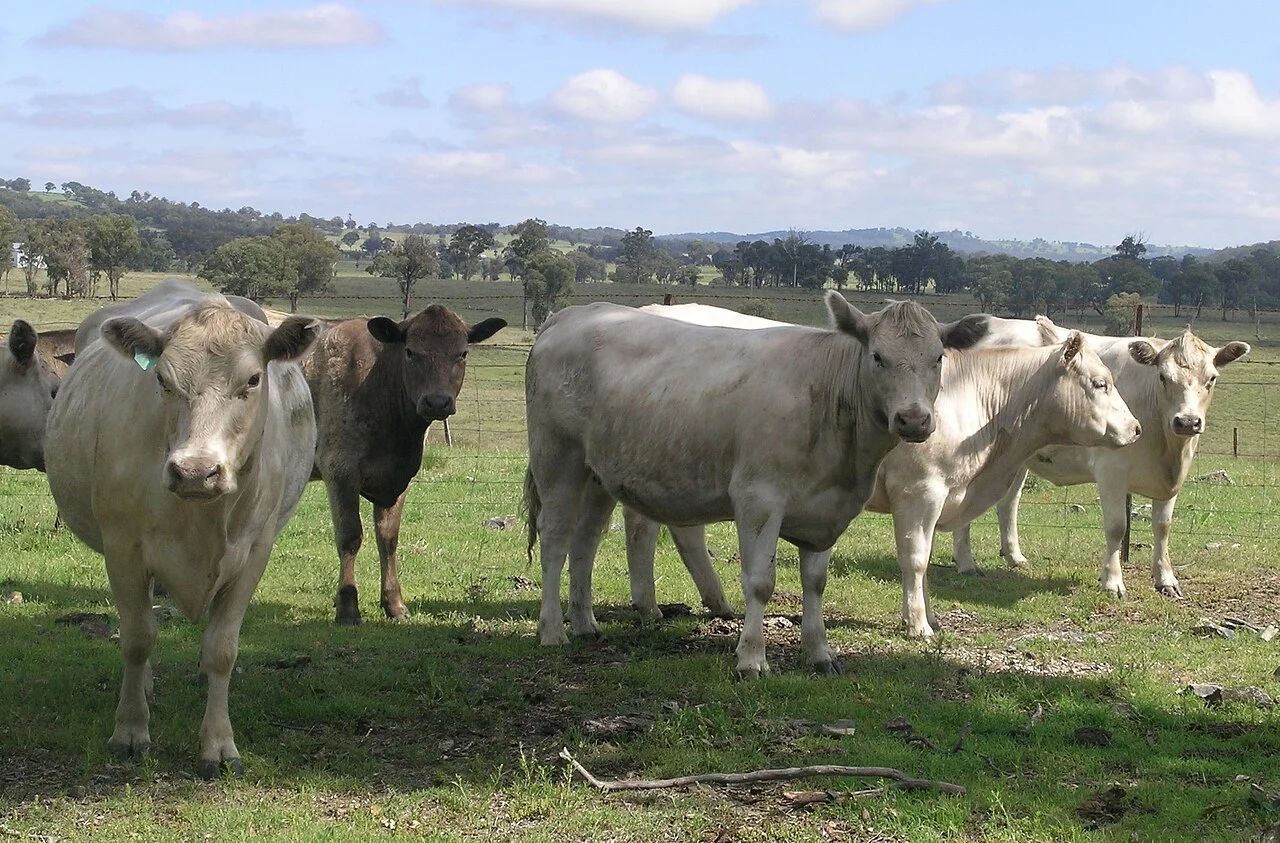
Murray Grey
BeefAustralia · Medium to Large · 1,100–2,000 lbs
Murray Greys trace back to a single roan Shorthorn cow bred to Angus bulls on a property along the Murray River in New South Wales in 1905, whose distinctive gray calves proved to be exceptional feed converters. The breed went on to dominate Australian carcass competitions and has gained a following in North America for its ability to marble well on grass alone. Their silver-gray coat reflects heat better than black hides, and their polled heads, easy calving, and gentle nature make them practical cattle for both commercial and small operations.
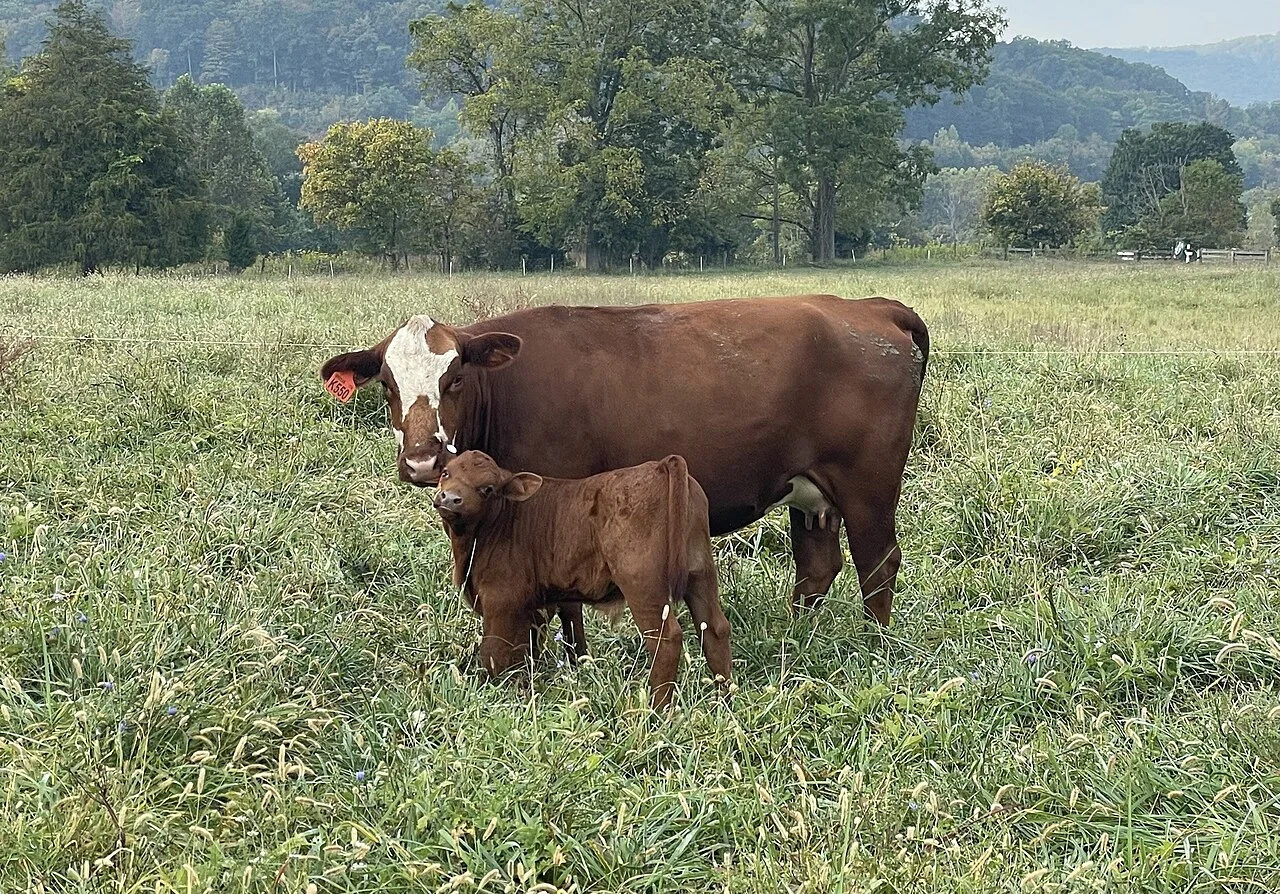
South Poll
BeefUnited States · Medium · 1,000–1,800 lbs
South Poll cattle were developed in the 1990s by Teddy Gentry — bassist of the country band Alabama — on his Fort Payne, Alabama ranch by combining Red Angus, Hereford, Senepol, and Barzona genetics. The goal was a slick-haired, heat-tolerant cow that stays fat on grass alone, and the result has become a darling of the regenerative grazing movement. South Polls are known for moderate frame size, exceptional udders and maternal ability, longevity on fescue pastures, and a disposition gentle enough for intensive rotational grazing systems.
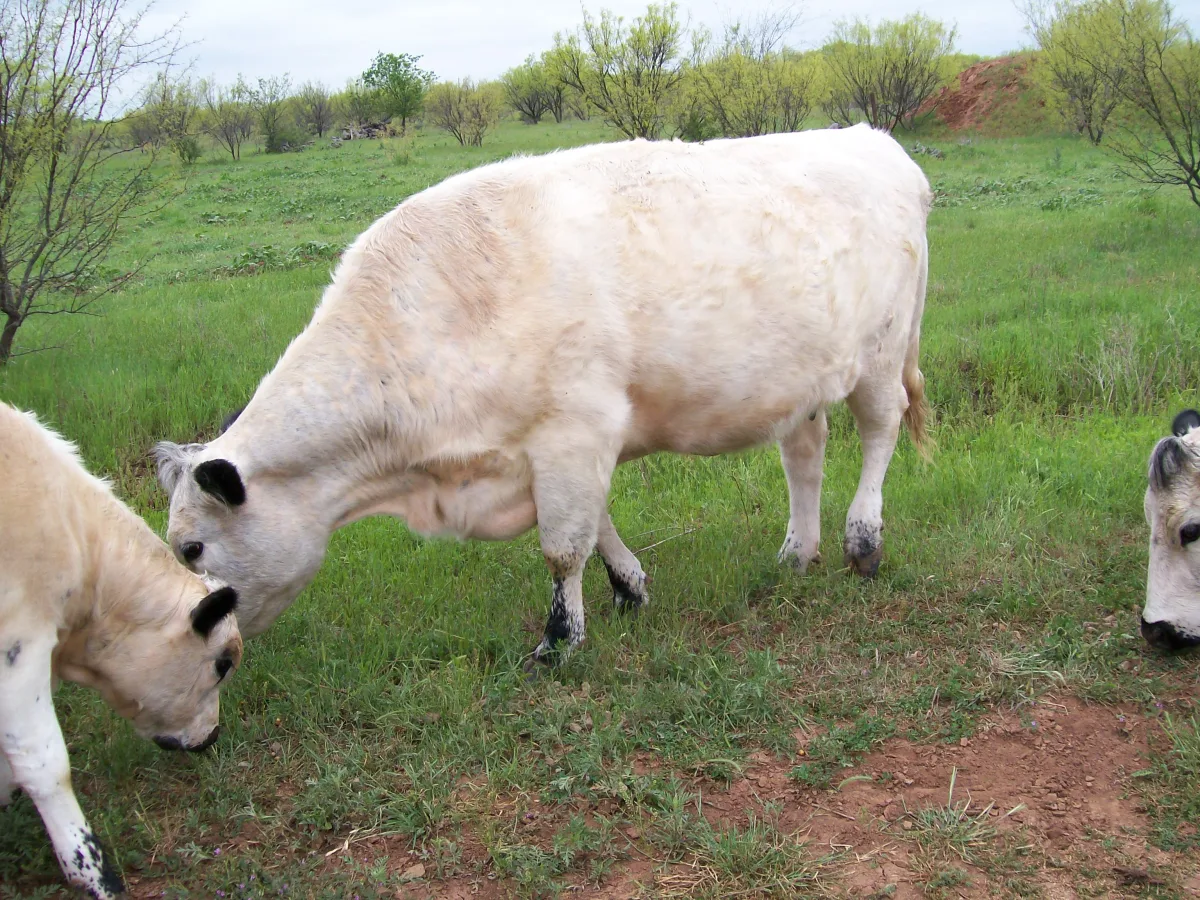
British White
BeefEngland · Medium to Large · 1,200–2,400 lbs
The British White is a heritage polled beef breed from England whose documented history reaches back to the late 17th century at Whalley Abbey in Lancashire. Its striking white coat with black points sits over dark-pigmented skin that resists sunburn and adds heat tolerance. The breed is prized for docility, fertility, easy calving, strong maternal instincts, and tender, high-quality beef, often finished on grass.
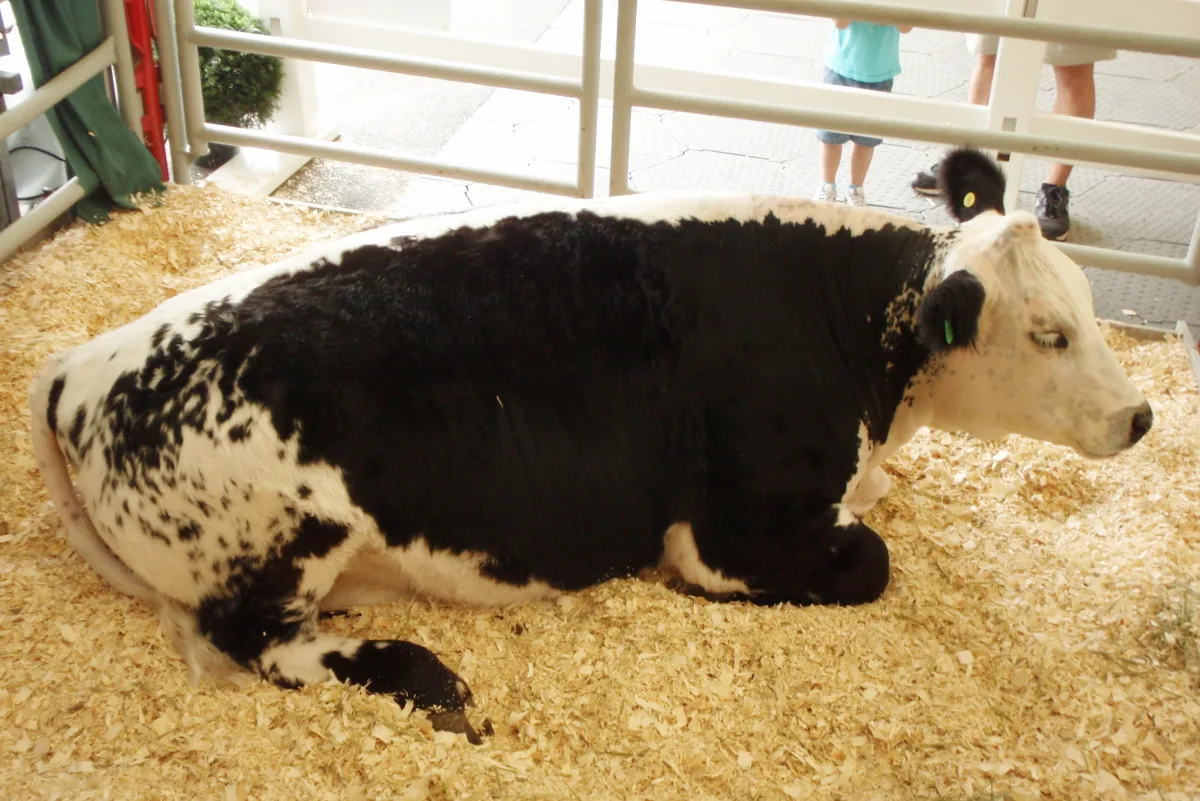
Speckle Park
BeefCanada · Medium · 1,100–2,000 lbs
Speckle Park is a modern Canadian beef breed developed in Saskatchewan starting in 1959 from Aberdeen Angus, Shorthorn, and White Park bloodlines, earning full distinct-breed recognition in 2006. The cattle are instantly recognizable for their striking speckled black-and-white coat patterns and are naturally polled. They combine Angus-quality marbling with exceptional hardiness in both cold winters and summer heat, and their quiet temperament makes them easy to handle.
Dual-Purpose Breeds
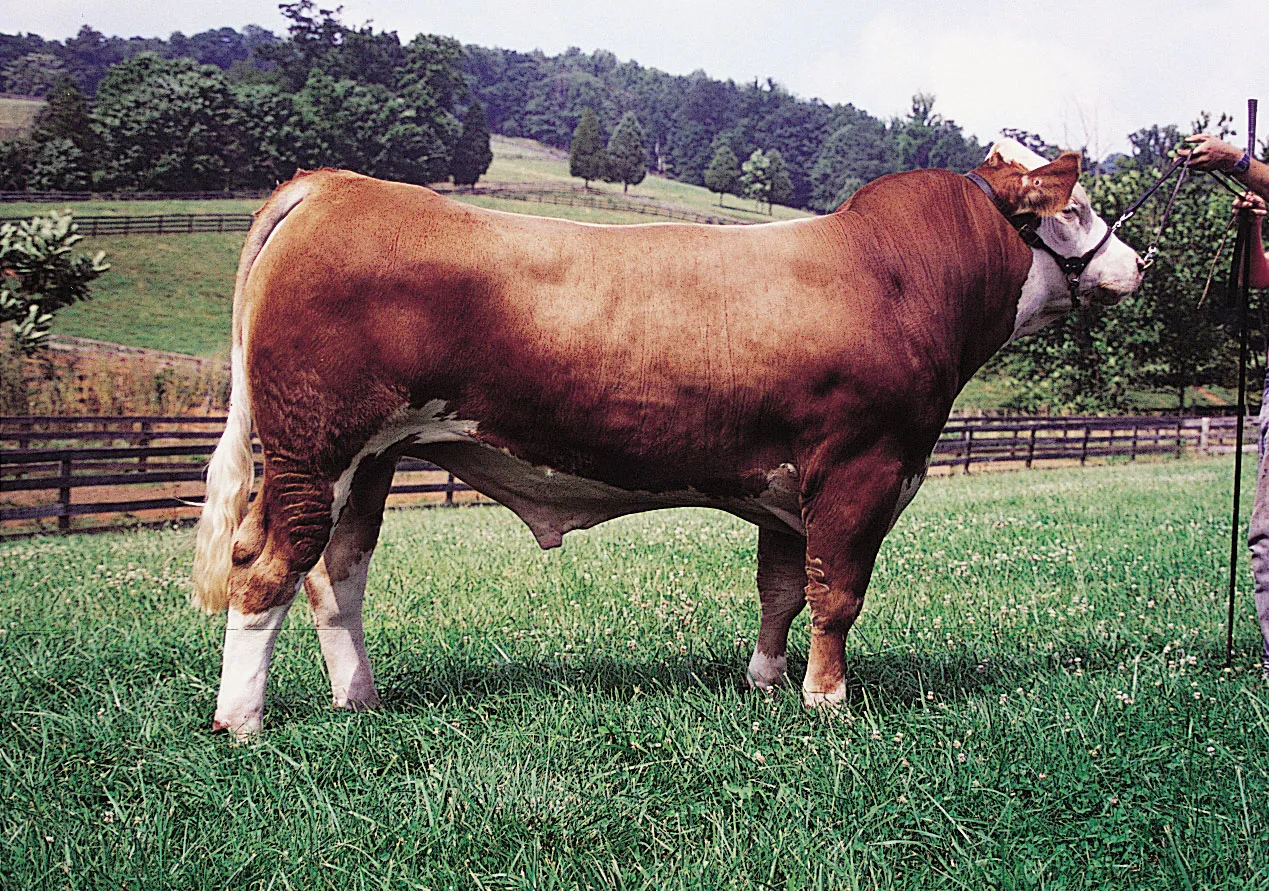
Simmental
Dual-purposeSwitzerland · Very Large · 1,300–2,200 lbs
Simmental is one of the oldest and most widely distributed cattle breeds in the world, originating from the Simme Valley of Switzerland. These versatile cattle excel in both beef and dairy production. Simmentals are known for their large frame, fast growth, and high milk production, making them ideal for operations that value maternal traits alongside beef quality.
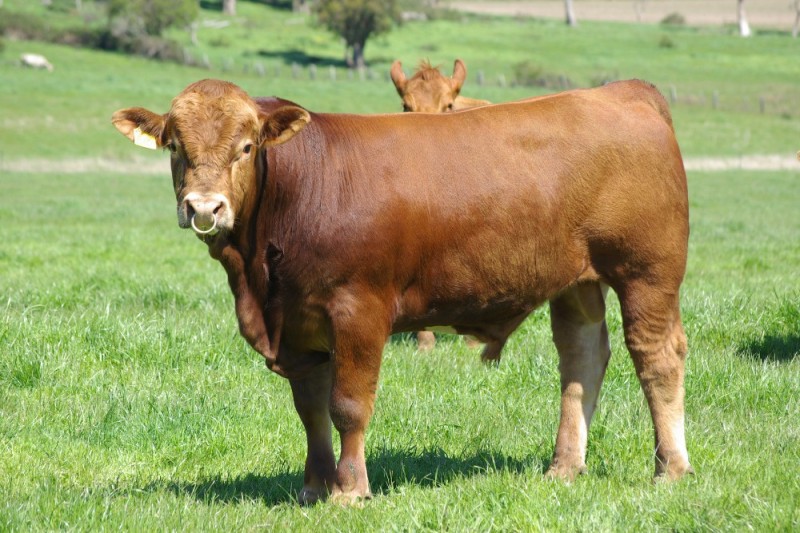
Gelbvieh
Dual-purposeGermany · Large · 1,200–1,800 lbs
Gelbvieh (pronounced 'gelp-fee') originated in Bavaria, Germany, and were traditionally used for meat, milk, and draft work. In North America they are primarily used in crossbreeding programs for their exceptional maternal traits, including high fertility, abundant milk production, and ease of calving. Gelbvieh-influenced calves are known for their fast growth and feed efficiency.
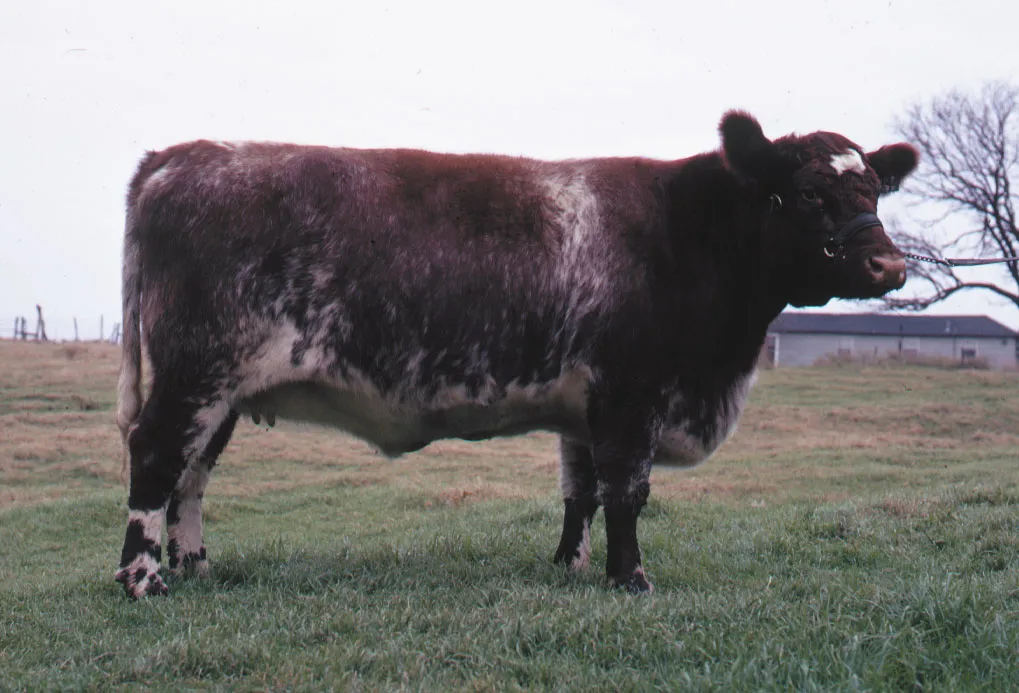
Shorthorn
Dual-purposeEngland · Large · 1,200–1,800 lbs
Shorthorns are one of the foundational British beef breeds, originating in northeastern England in the late 1700s. They were the first breed to have a herd book established. Shorthorns are known for their versatility, docility, and adaptability. The breed comes in both beef and dairy types, with the beef Shorthorn valued for its moderate frame, marbling ability, and excellent disposition.
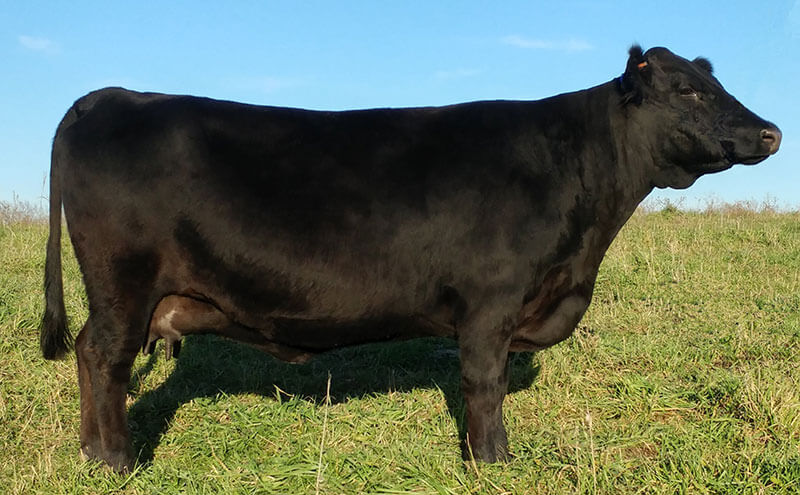
Dexter
Dual-purposeIreland · Small · 600–1,000 lbs
Dexters are the smallest British cattle breed, standing just 36–44 inches tall, making them ideal for small farms and homesteads. Despite their small size, they are excellent dual-purpose cattle, producing both quality beef and a respectable amount of rich milk. Dexters are efficient grazers that require less acreage than standard breeds, and their friendly disposition makes them easy to handle.
Dairy Breeds
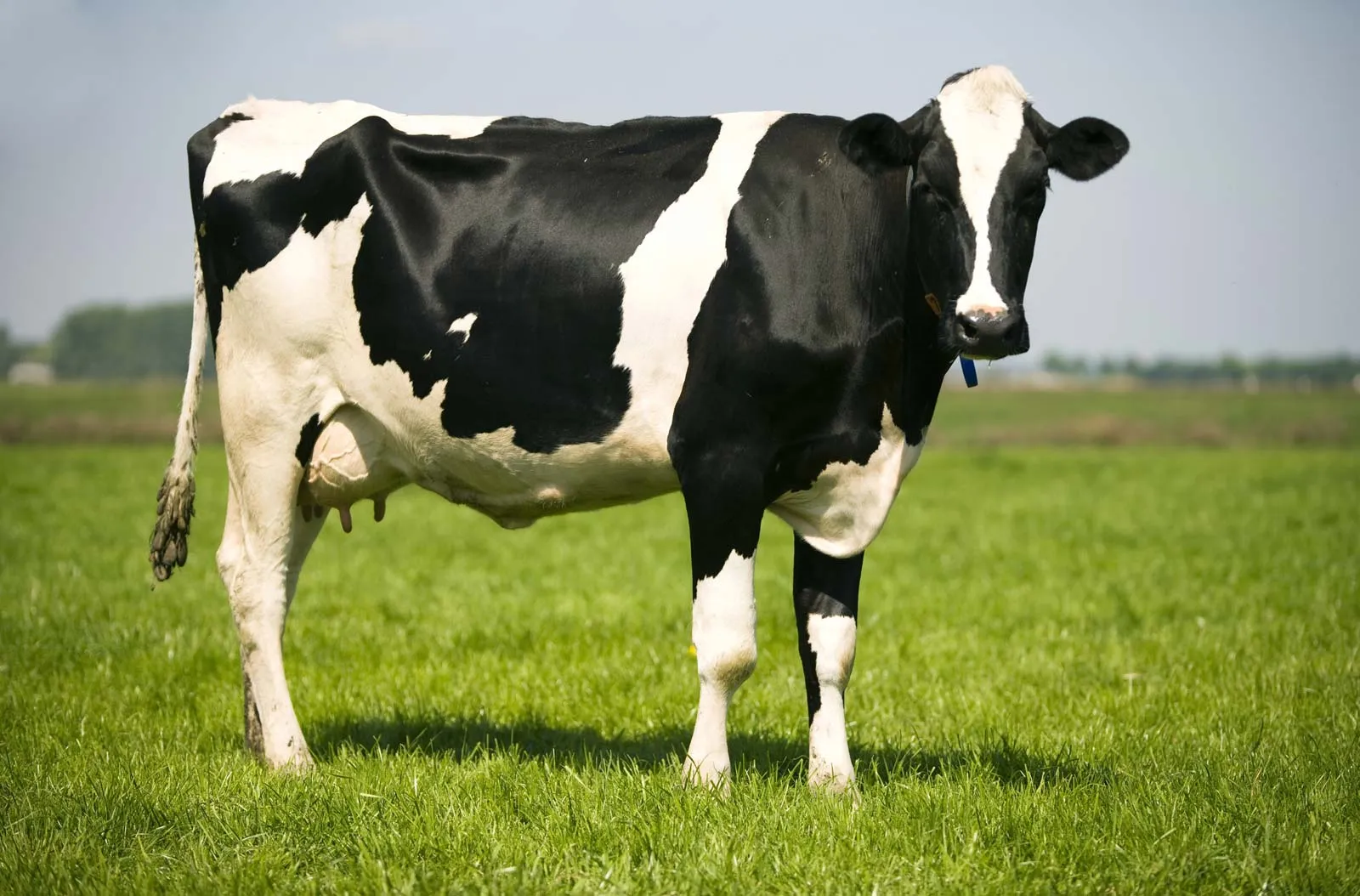
Holstein
DairyNetherlands · Very Large · 1,300–1,500 lbs
Holstein-Friesians are the world's highest-producing dairy breed, dominating the dairy industry across North America and Europe. A single Holstein can produce over 22,000 pounds of milk per year. While primarily a dairy breed, Holstein steers are increasingly important in the beef supply chain, accounting for a significant portion of fed cattle in the United States.
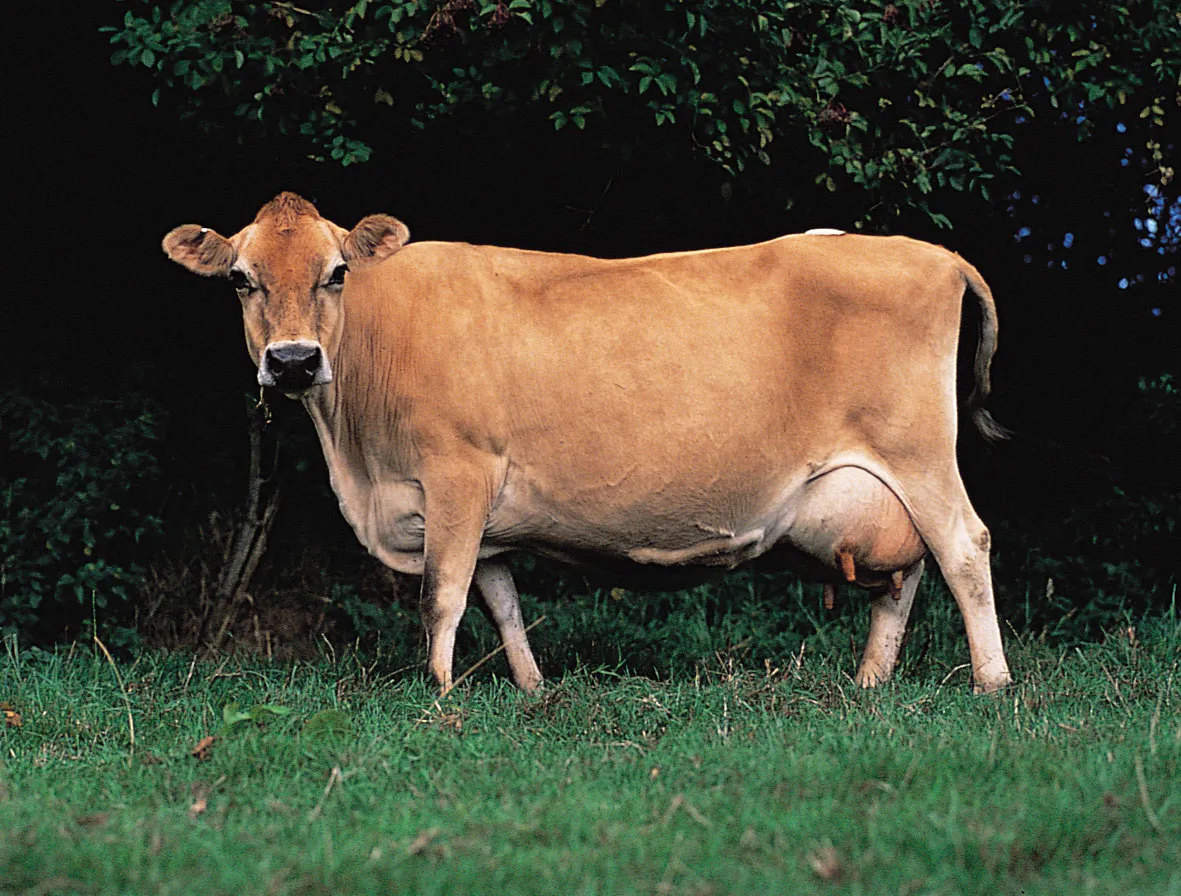
Jersey
DairyJersey, Channel Islands · Small · 800–1,200 lbs
Jerseys are the second most popular dairy breed worldwide, known for producing milk with the highest butterfat and protein content of any major dairy breed. Originating from the island of Jersey in the English Channel, these small but efficient cattle convert feed to milk more effectively than larger breeds. Jersey milk is prized for cheese and butter production.
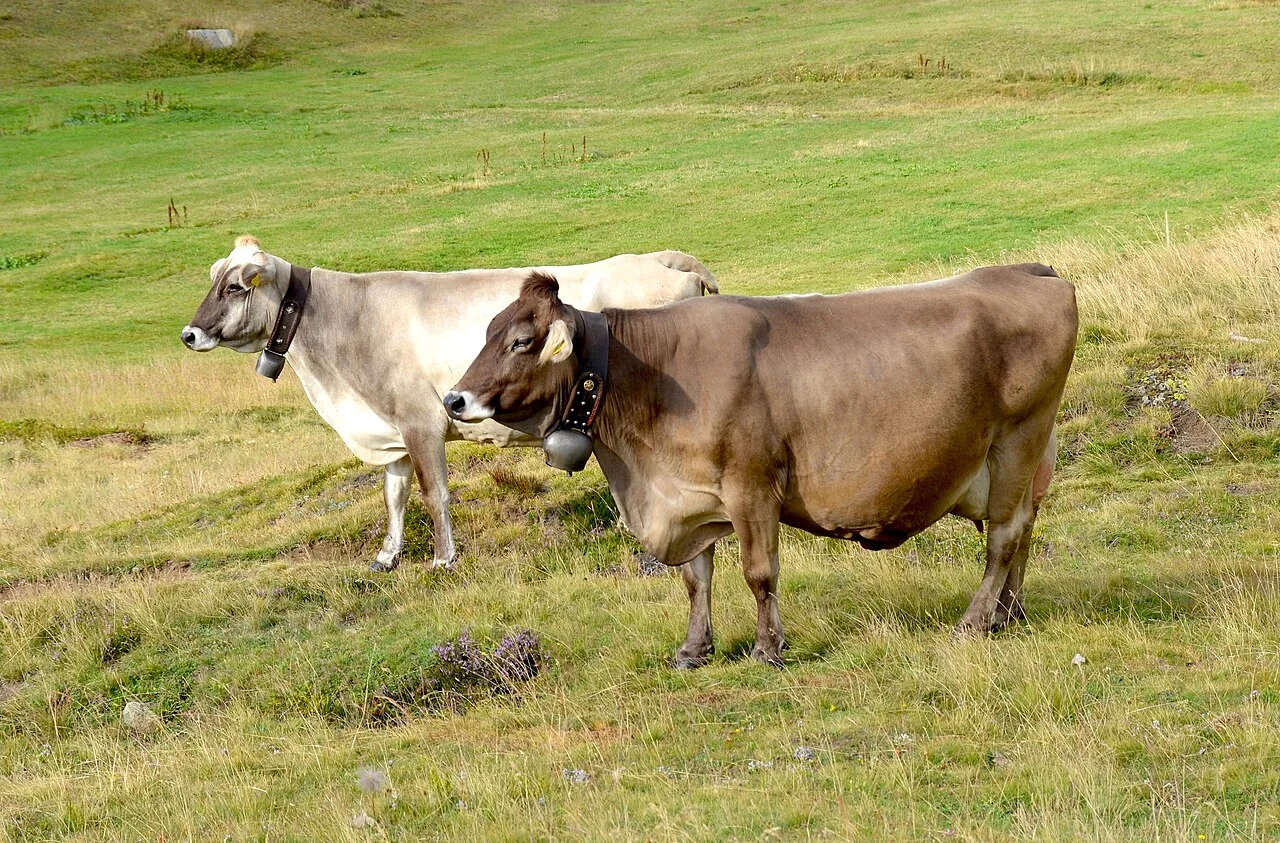
Brown Swiss
DairySwitzerland · Large · 1,300–2,000 lbs
Brown Swiss are one of the oldest dairy breeds in the world, descended from the Braunvieh cattle of the Swiss Alps. They rank among the highest-producing dairy breeds, and their milk's near-ideal protein-to-fat ratio makes it especially prized for cheesemaking. Famously calm and a bit stubborn, Brown Swiss are hardy in both heat and cold, mature slowly but stay productive for many years, and their strong feet and legs hold up well on rough terrain — a frequent pick when homesteaders debate their first family cow.
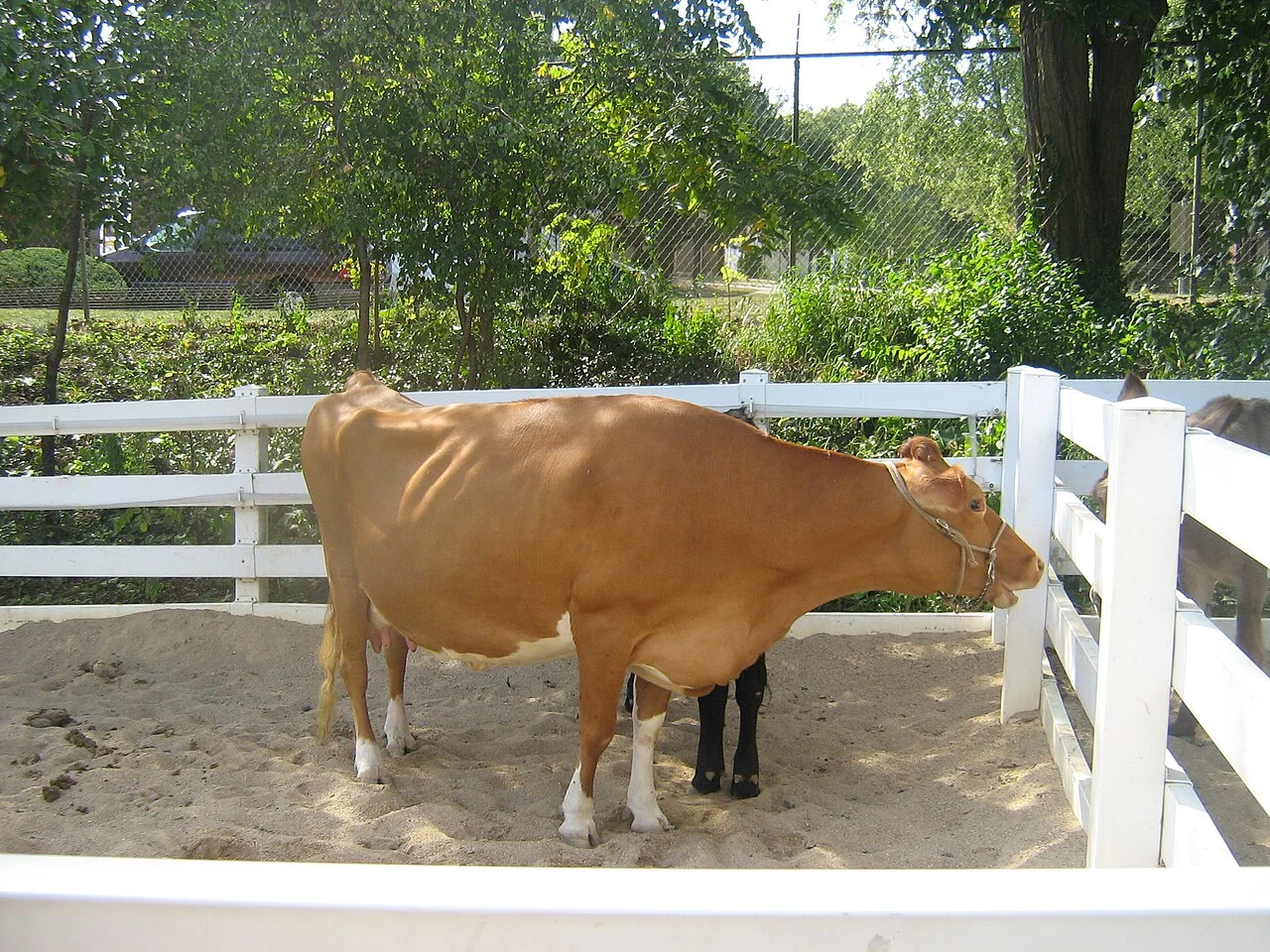
Guernsey
DairyGuernsey, Channel Islands · Medium · 1,000–1,700 lbs
Guernseys hail from the island of Guernsey in the English Channel and are famous for their golden-colored milk, rich in beta-carotene, high butterfat, and protein. Nicknamed 'The Royal Breed,' they produce this rich milk on 20 to 30 percent less feed than larger dairy breeds and reach milking age earlier than most. Their gentle temperament and moderate size make them one of the most recommended family milk cows for homesteads, especially for hand milking.
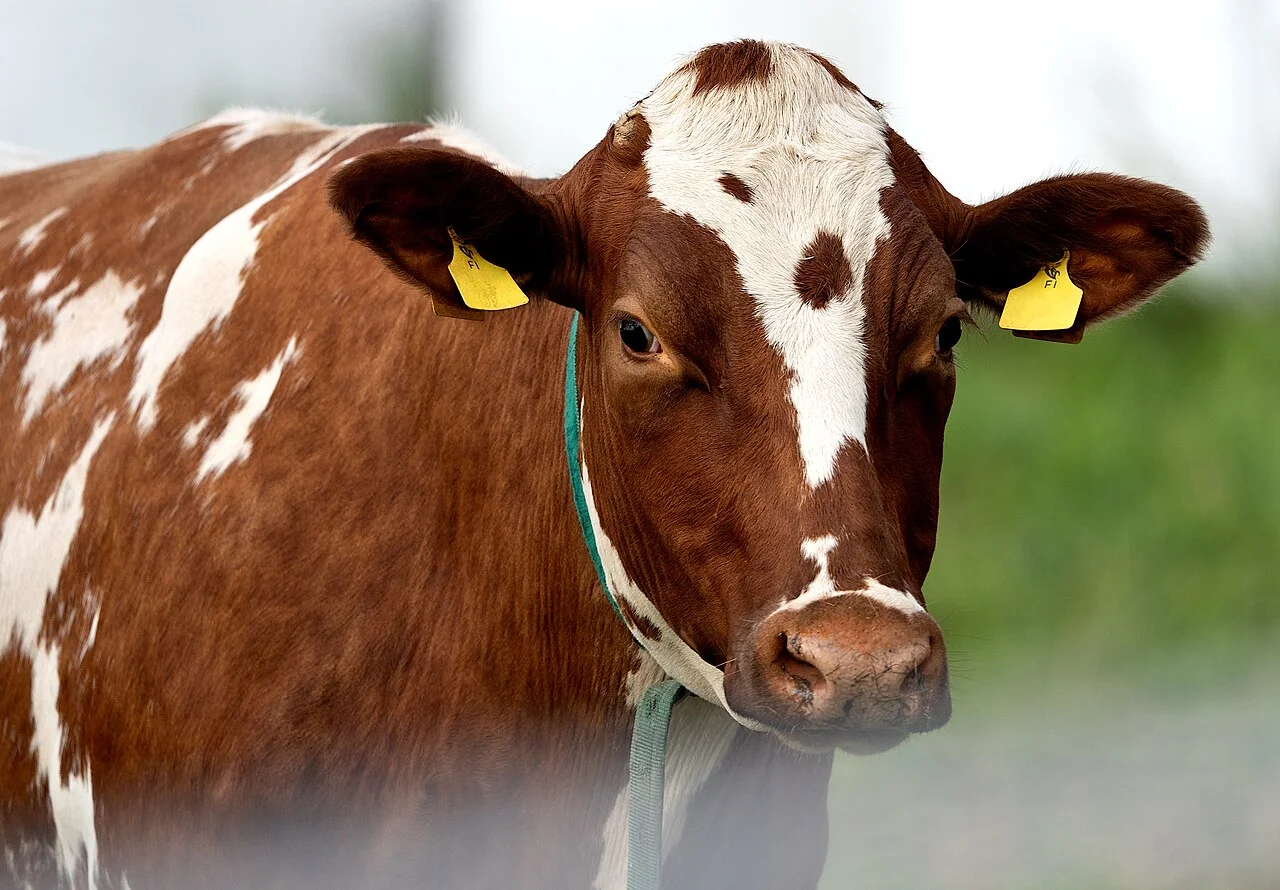
Ayrshire
DairyScotland · Medium to Large · 1,000–1,800 lbs
Ayrshires were developed in the harsh climate of County Ayr in southwestern Scotland, and that rugged upbringing shows — they are among the hardiest and longest-lived of the dairy breeds. Known for outstanding udder conformation and strong legs and feet, Ayrshires excel at converting pasture into milk with moderate butterfat, making them ideal for grazing-based dairies. Their vigor and foraging ability let them thrive under conditions where more pampered dairy breeds struggle.